The problem was made at your desk, in your calendar, between your meetings. You will not solve it there.
It is a simple sentence, and most capable people spend years arguing with it. We book the strategy day in the office’s best meeting room. We take the hard decision home for the weekend, to the same kitchen table where we answer email. We tell ourselves that if we could only find two clear hours, we would finally think it through. Then the two hours arrive, and the problem looks exactly as it did on Tuesday.
That is not a failure of discipline. Your surroundings are not neutral. Every room you work in is full of cues that pull your attention back to the version of the problem you already know — the open tabs, the familiar faces, the phone face-up on the table. The place keeps you thinking at the size it taught you to think.
Distance is not an escape from the problem. It is how you see it whole.
Four days, fifty per cent
In 2012, the psychologists Ruth Ann Atchley, David Strayer and Paul Atchley studied adults on wilderness expeditions with Outward Bound. For the length of each trip there were no phones, no screens and no electronic devices of any kind. Half of the groups took a standard test of creative problem-solving on the morning before they set out. The other half took it on the morning of their fourth day in the wild.
The researchers are careful about what they can claim. They could not separate the effect of more nature from the effect of less technology; in the wild, the two arrive together. For anyone carrying a hard decision, we are not sure the distinction matters. Take away the noise, give the mind something wide to rest on, and give it time.
Why the mind needs somewhere wide
The older explanation comes from the environmental psychologists Rachel and Stephen Kaplan. Their Attention Restoration Theory draws a line between two kinds of attention. Directed attention is the effortful kind — the focus you force onto a forecast, a negotiation, a difficult email. It is finite, and it tires. Natural settings engage a softer kind: the attention that drifts to moving water, to light through leaves, to weather crossing a ridge. The Kaplans called it soft fascination. It asks nothing of you, and while it holds you, the effortful kind gets to recover.
Put plainly: the desk spends your attention, and a wide view gives it back. It is the same reason a walk somewhere green can loosen a decision that has stopped moving.
The second explanation is about scale. In their construal-level theory, Yaacov Trope and Nira Liberman set out how psychological distance — in time, in space, between people — changes the way we picture a problem. The further away something feels, the more abstractly we think about it: its essentials rather than its details, why rather than how. Close up, a decision is a list of logistics. From a distance, it becomes a question about what you are actually building.
- Up close At your desk How do we get the numbers back on track before the board meets?
- Further On a long walk Is this still the right plan for the next three years?
- Far away On an island in the Atlantic What am I actually building — and do I still want to build it?
Distance changes the size of the questions you can think about.
Remote by design
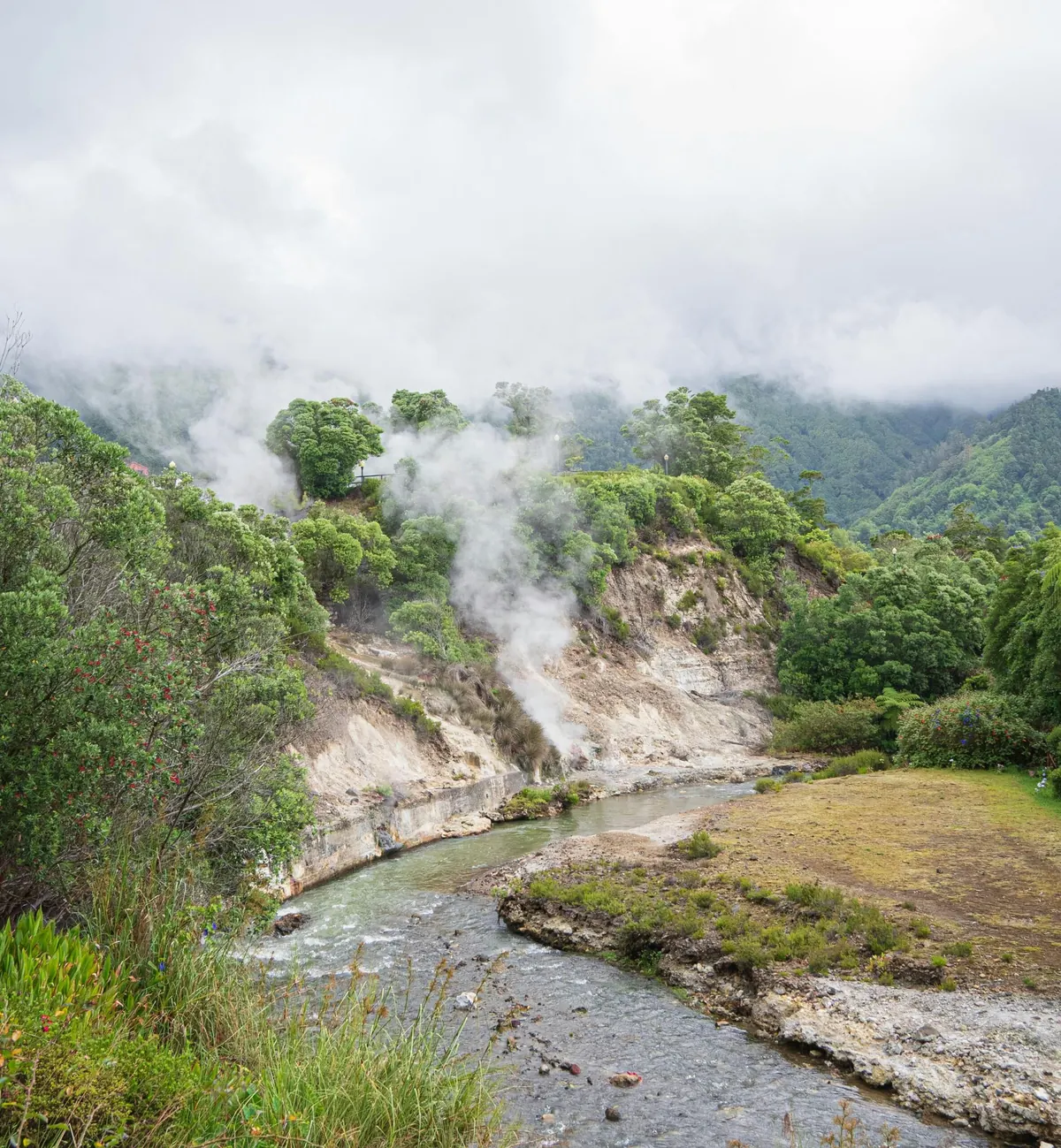
So we only run the experience in remote, private places in nature. Furnas is a geothermal valley in the east of São Miguel, an island in the middle of the Atlantic. It is remote enough to force a genuine break. It is also our hometown, and the place we know best.
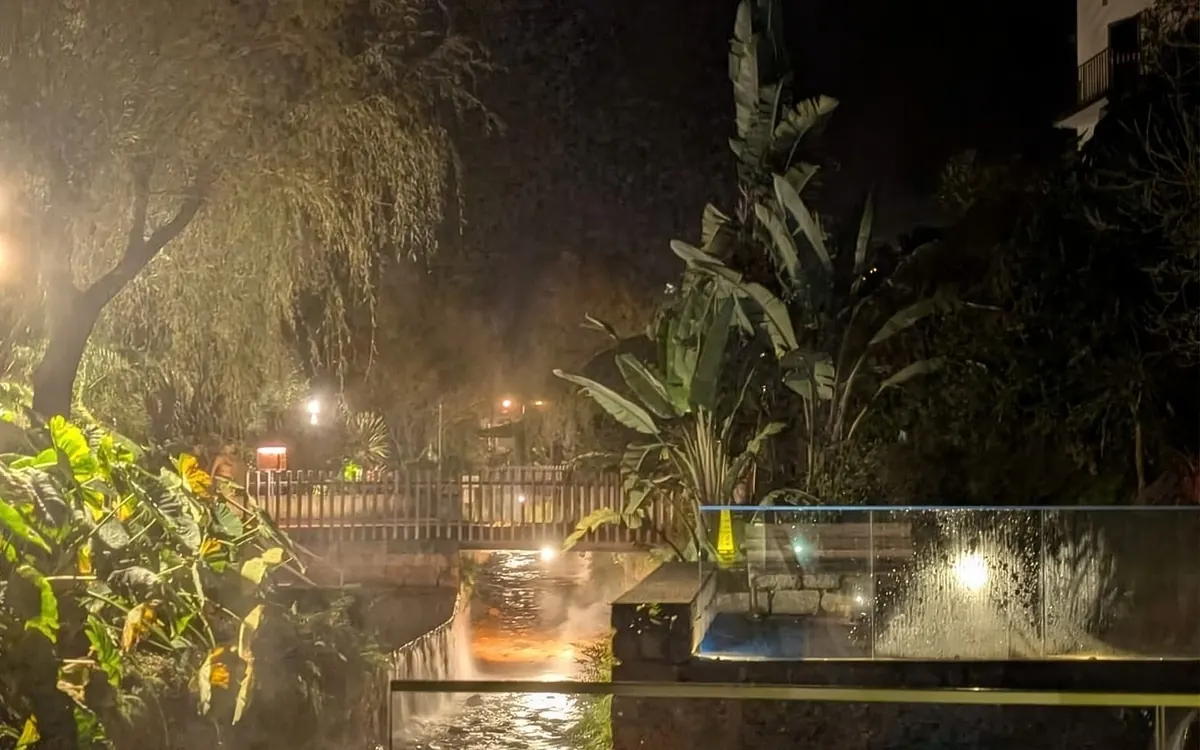
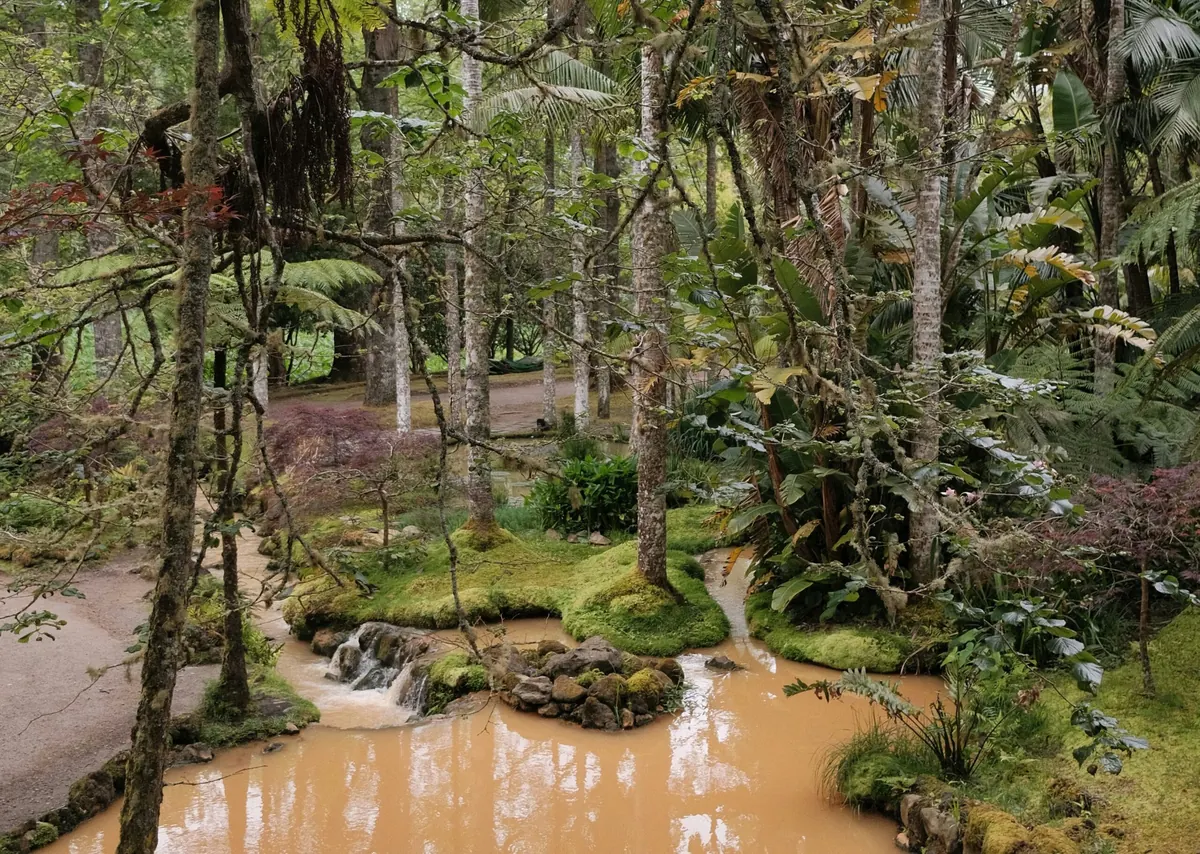
The distance begins before you land. A private calibration session with Rob Paynter, 7–14 days before you arrive, names the decision you are carrying. Then, on the island, the body and the place go first. Steam rising from the ground. Mineral water moving through the subtropical forest at Terra Nostra. Ridge paths above the crater lakes. Private cabins with no hotel corridors and no lobby noise — just the sound of the forest and the earth below.
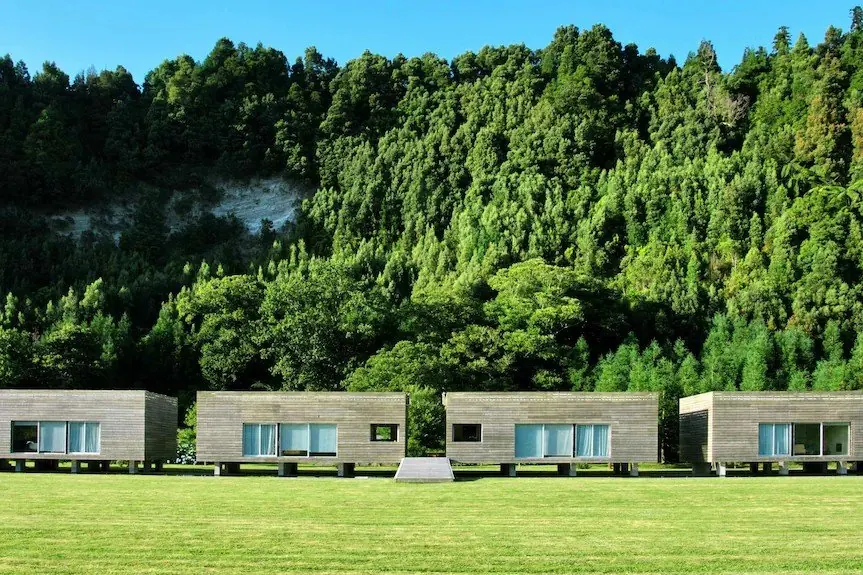
Every cohort is tailored, but a typical week keeps the same order: the body first, then movement in raw nature, then an honest room of eight. The aim is simple: by the time the decision comes back to the table, it is no longer the size it was when you left your desk. Over five days, the calendar that made the problem goes quiet. What is left is the question underneath it.